Mold in plain terms
Mold is a type of fungus. Spores are everywhere, outdoors and indoors, and they are carried on air currents. A spore does nothing until it lands on a damp, organic surface. Then it can grow into a visible colony. That is why moisture is the center of every mold problem.
We do not make health claims about mold. If someone in your home has symptoms or concerns, talk to a doctor. This page covers what mold is and how it grows in buildings.
What mold needs
Moisture
The one factor you can control. No moisture, no growth.
A food source
Drywall paper, wood, carpet, dust and insulation provide it.
Time
Growth starts when materials stay damp for more than a day or two.
Moderate temperature
Typical indoor temperatures are fine for most molds.
Where it shows up
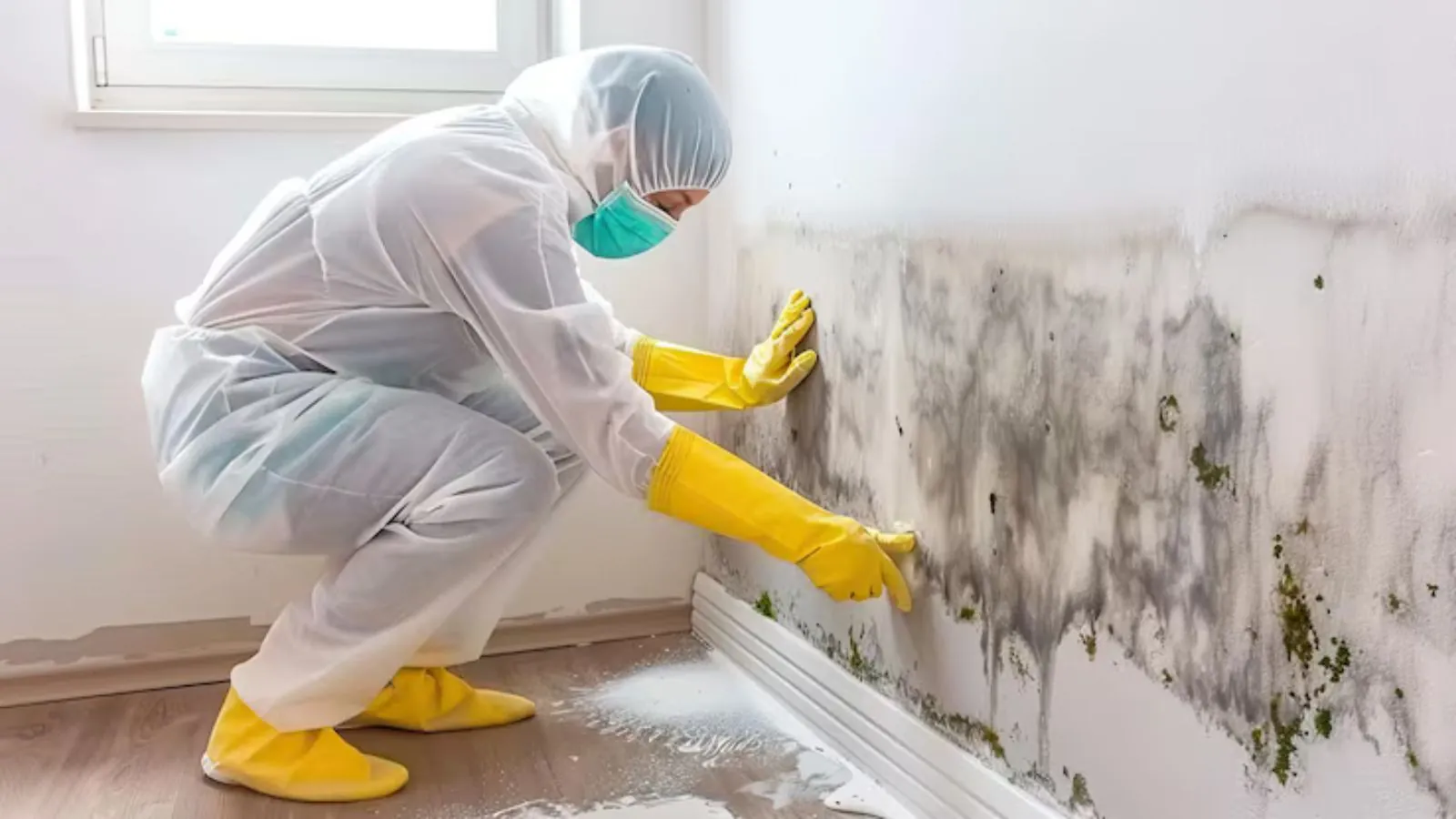
Look in basements, bathrooms, kitchens under sinks, closets on exterior walls, around window sills, behind furniture against cold walls and near air handlers. It also grows inside walls and above ceilings after a leak, where you cannot see it until a stain or smell appears.
| What you see | What it means |
|---|---|
| Black, green, white or gray patches | Many types of mold look similar, and color is not a reliable identifier. |
| Fuzzy or powdery texture | Common for surface growth. |
| Musty smell, no visible growth | Moisture and possible hidden growth. |
| Dark stain on drywall | Could be mold, old water or both. Inspect and test. |
Water on the floor right now?
Call the 24/7 line while you read the next steps.
How to prevent mold
- Fix leaks quickly. The EPA advises drying wet materials within 24 to 48 hours.
- Keep indoor humidity moderate and use a dehumidifier in damp rooms.
- Run bathroom and kitchen fans and vent them outdoors.
- Keep gutters and downspouts clear and pointed away from the foundation.
- Do not leave wet towels, carpet or boxes on floors.
- Inspect under sinks and around appliances a few times a year.
Mold and water damage
Mold is usually a result of water damage that was not dried in time. A fast response to a leak is the best prevention. See water extraction and structural drying for how wet structures get dried. If you suspect hidden growth, the mold remediation page covers inspection and testing.
If a leak just happened, call the 24/7 line at (636) 747-8964. Early action is the cheapest mold prevention.
Mold, mildew and stains: telling them apart
People use the words loosely. Mildew usually means surface growth that is flat and powdery, often on shower walls or window sills. Mold is a broader term and includes growth that penetrates materials like drywall or wood. A stain can be old water with no growth at all. When in doubt, inspect and test, since appearance alone does not settle it.
A simple test for surface soil is to wipe a small area with a damp cloth. If it comes off and does not return, it may have been dirt. If it smears, spreads or comes back, moisture is probably feeding it.
Indoor moisture sources worth checking
- Plumbing leaks inside walls and under sinks.
- Roof and window leaks after storms.
- Condensation on cold exterior walls and windows.
- Unvented dryers, showers and cooking.
- Wet basements and crawl spaces.
- Air conditioner drain overflow.
Fixing the moisture source is the only lasting step. Cleaning without fixing it only resets the clock.
What to do if you think you have it
- Look for the moisture source and stop it.
- Dry the area and run a dehumidifier.
- Clean small hard-surface patches carefully, or call for help on larger areas.
- Do not paint over it.
- Ask for an inspection if you suspect hidden growth.
Most mold problems are moisture problems first. Solve that and the rest becomes manageable.
Why moisture control beats cleanup
Cleanup removes the growth you can see. Moisture control removes the reason it grew. A home with good ventilation, working gutters, a dry basement and quick leak repairs rarely has serious mold, no matter how many spores float in from outside. That is why every plan, from a household wipe-down to full remediation, ends with a moisture fix.
If you are unsure whether you have a moisture problem, a moisture meter and a hygrometer give you numbers. Indoor humidity that stays high for long periods is a signal to add ventilation or a dehumidifier.
ANSI/IICRC S500 is the published standard for professional water damage restoration, and S520 covers mold remediation. This page names them as references only, so you can compare any plan you receive against the same yardstick.
Mold conditions in the St. Louis region
The St. Louis region has humid summers, and basements in Saint Peters homes can stay damp when gutters, grading or sump pumps do not keep water away. Check the sump pump before storm season and keep downspouts discharging away from the house.
The same advice applies in Cottleville and Earth City, where commercial buildings should also read the commercial page.
Local questions from Saint Peters homeowners
Is all mold dangerous?
We do not make health claims. Mold on building materials is a sign of moisture and should be addressed. If you are concerned about health, talk to a doctor.
Can I tell the type of mold by looking?
No. Color and texture are not reliable. Testing by a lab can identify types when that information is needed.
Does a dehumidifier help?
Yes, in damp spaces. A dehumidifier lowers humidity so materials dry and stay dry, but it does not fix leaks.
Where does mold come from in the first place?
Spores are everywhere in the air. They only grow where there is moisture and a food source, which is why moisture control is the main defense.