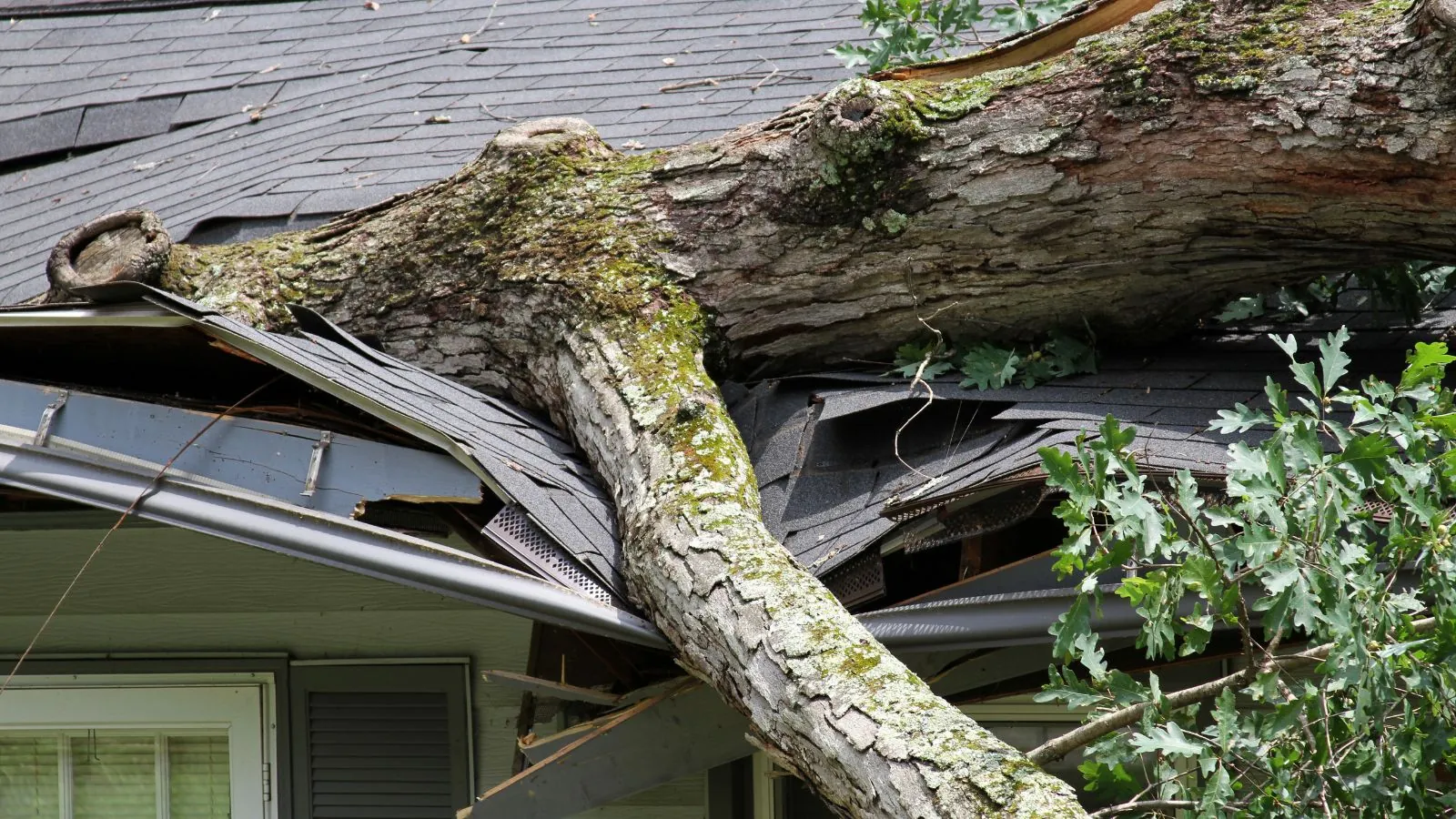
When storm water in the house is an emergency
Storm water inside the house is an emergency when it is still coming in, soaking insulation or ceilings, or sitting on floors. If rain or hail has opened your Saint Peters home, call the 24/7 line at (636) 747-8964 and tell the dispatcher what the openings are and where the water is.
Stay out of rooms with sagging ceilings or standing water near outlets. If a tree or power line is down, stay clear and call the utility or 911. Restoration starts once the structure is safe to enter.
- Check that everyone is safe and stay away from downed power lines and damaged roofing.
- Photograph the openings, the wet rooms and any damaged belongings before cleanup.
- Cover openings with a tarp or plastic if you can do it safely, or call a roofer.
- Move dry furniture and valuables to a dry room.
- Call your insurer and keep receipts for emergency measures.
How storms get water into a house
Roof and flashing damage
Wind lifts shingles and hail bruises them, letting water in around vents, chimneys and valleys.
Windows and doors
Wind-driven rain pushes past seals, and impact can break glass.
Fallen trees and limbs
A limb that punches through a roof or siding opens the house to rain.
Gutters and downspouts
Overflowing gutters send water down walls and into basements and crawl spaces.
Storm water is usually rain, which is clean at first but can pick up dirt and insulation fibers as it runs through the structure. The crew assesses the category under S500 before deciding how to handle wet materials.
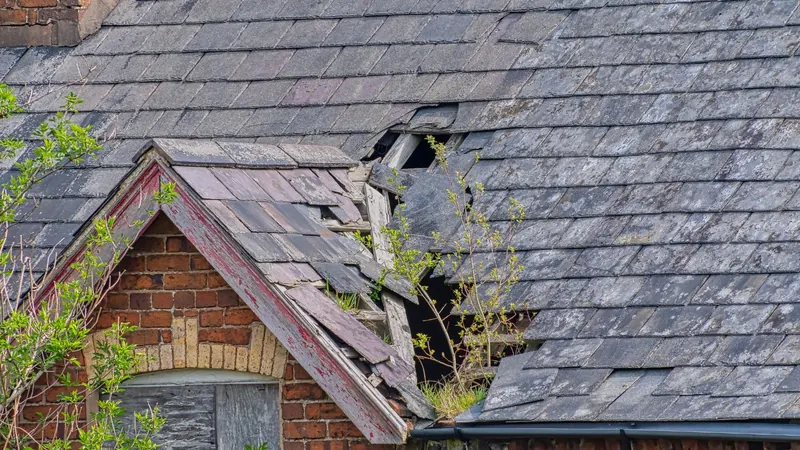
The cleanup sequence after a storm
The first job is to make the building weather-tight enough to stop more water coming in, which often means a temporary tarp. The restoration crew then extracts standing water and uses moisture meters and a thermal imaging camera to find water inside walls and ceilings. Wet insulation and sagging drywall come out, and air movers and dehumidifiers dry the rest.
Storms often hit many homes at once, so the line works through calls as crews free up. Describe the damage clearly and mention any hazards. For the extraction step, see water extraction, and for equipment, structural drying.
| Type | How it enters | Where to look |
|---|---|---|
| Rain through the roof or window | From above or the sides | This page and ceiling repair. |
| Rising surface water | From the ground up | Flood damage cleanup. |
| Groundwater seepage | Through basement walls and floors | Basement water damage. |
Storm water in the house?
Call the line. Scope and price are explained before work starts.
Cost factors and insurance
Cost depends on how many rooms were wet, what materials were soaked and how long the openings were exposed. Scope and price are explained before work starts. Insurance often handles wind and hail damage differently from flood, so read the wording on your policy and ask your agent before assuming either.
Keep a record of what you did to protect the property, including receipts for tarps and temporary repairs, since many policies expect you to prevent further loss. Photograph everything before it is moved.
Local NoteStorm season around Saint Peters
Missouri sits in a region that gets severe thunderstorms with hail and wind, especially in spring. After any storm, walk the house for stains, check the attic and look under windows. Neighbors in Cottleville and the commercial areas of Earth City deal with the same storms and the same call line handles them.
Check the roofer you hire and the claim steps your insurer requires. A restoration crew handles the interior water, and a roofer handles the building envelope.
Common QuestionsStorm damage questions from Saint Peters homeowners
Do you handle storm damage emergencies at night or on weekends in Saint Peters?
Yes. Storms do not wait for business hours, and the line is answered around the clock. After a major event, crews are sent in the order calls arrive and as soon as one is available.
What should I photograph after storm water gets in?
Take wide photos of each room, close-ups of the wet materials, the source of the opening such as a damaged roof or window, and any wet belongings. Photograph before you move or discard items, and keep receipts for emergency steps.
Does insurance cover storm water damage inside the house?
Wind and hail damage that opens the building and lets rain in is often covered, while flood from rising surface water is a separate matter. Check your policy and ask your insurer, and see the flood page for how that differs.
Should I tarp the roof myself?
Only if you can do it safely. Wet roofs and high winds are dangerous. A roofer or tarp service is a better choice in many cases, and a storm-damage claim often covers reasonable temporary protection.