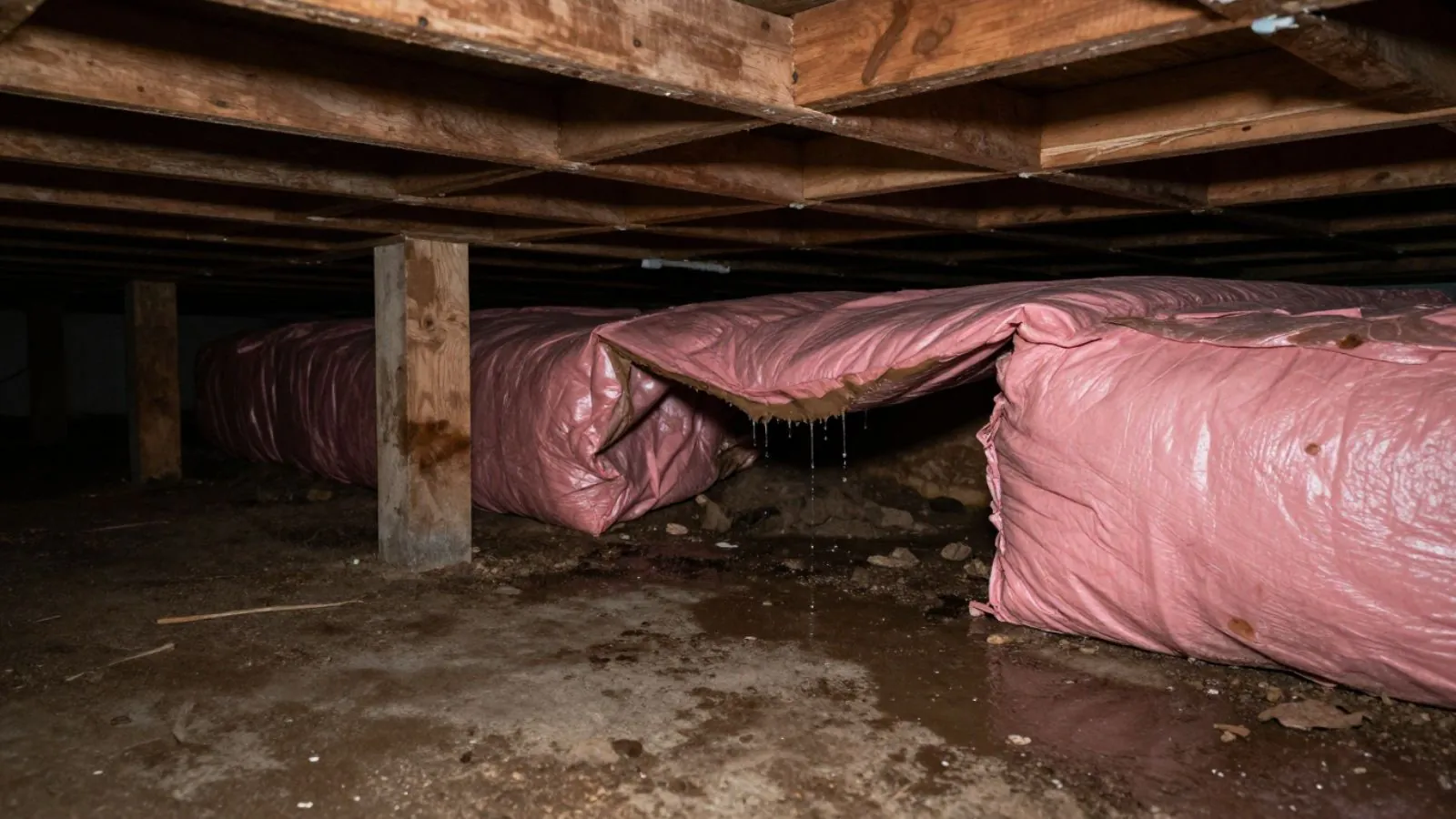
Why crawl space water gets missed
A crawl space is out of sight, so water can sit there for weeks before anyone notices. The first signs are usually a musty smell, floors that feel soft or cold, sagging insulation or a higher humidity indoors. By the time a wet crawl space is found, the framing may already be damp. Crawl space water damage cleanup in Saint Peters starts with finding out how wet things are.
Moisture under the house comes from plumbing leaks, groundwater after heavy rain, poor drainage around the foundation and humid air. Each one needs a different fix, and the restoration work depends on the source.
Plumbing leaks
Supply and drain lines under the floor can drip for months without notice.
Groundwater and rain
Water enters through vents, walls or poor grading and collects on the ground.
Humidity and condensation
Warm air meets cool surfaces, and moisture collects on ducts and joists.
Failed sump or drainage
A pump that fails or a drain that clogs lets water stand.
What a crawl space inspection shows
The crew checks for standing water, wet insulation, stained or soft joists, visible mold and the moisture content of the framing. A thermal camera can show wet insulation above the floor. If plumbing is the likely source, a plumber is called in. If mold is present, see mold remediation for assessment and testing.
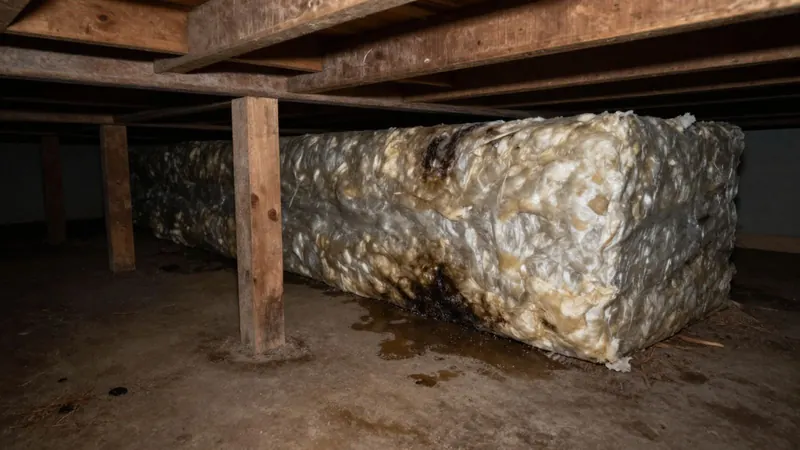
How a crawl space is dried
Standing water is pumped out first. Wet insulation, debris and torn vapor barrier are removed. The crew then sets up air movers and dehumidifiers designed for low spaces, and they run until moisture readings of the joists and subfloor reach the dry standard. See structural drying for the equipment and the readings.
If the floor above has been wetted, the process extends into the living space. Carpet over a damp subfloor is covered on the carpet page, and wood floors on the hardwood floor page.
| Finding | Typical next step |
|---|---|
| Standing water | Pump out, find the source, dry. |
| Wet insulation | Remove and replace after drying. |
| Damp joists, no standing water | Dry with dehumidification and monitor. |
| Visible mold | Assess, then remediate under S520 practice. |
| Dripping pipe | Plumber repairs, then dry. |
Standing water in the crawl space?
Call the line. Scope and price are explained before work starts.
Cost factors and insurance
Cost depends on how much of the space is wet, how hard it is to reach, how much insulation must be removed and how long drying takes. Crawl spaces are cramped, which affects labor. Scope and price are explained before work starts.
Insurance typically covers sudden plumbing leaks and may exclude long-term seepage or humidity, so ask your insurer and document the damage.
Self CheckWhat to check yourself first
If you can safely open the access hatch, look with a flashlight for standing water, wet or fallen insulation, dripping pipes and mold on joists. Do not crawl in if there is standing water, since wiring and fixtures may be present. Photograph what you see from the opening and call with the details.
Local NoteCrawl spaces in Saint Peters
Houses with crawl spaces are common across the region, and the spaces are often vented and uninsulated at the edges. Check yours after heavy rain, look for standing water and damp insulation, and make sure downspouts and grading carry water away. Ask the City of St. Peters building department about any local requirements before major changes.
Homes in Cottleville and surrounding areas are handled by the same line. If water has reached a lower level, see basement water damage.
SafetyWhat to do before help arrives
- Do not enter a crawl space with standing water, since wiring may be present.
- Shut off the water supply if a pipe is the source.
- Photograph from the access opening.
- Keep children and pets away from the hatch.
- Do not run fans that blow crawl space air into the living area.
Crawl space water questions from Saint Peters homeowners
Can you dry a crawl space?
Yes. Standing water is pumped out, wet insulation and debris are removed, and air movers and dehumidifiers dry the joists and subfloor. The source of the moisture still has to be fixed or the space will wet again.
Does a musty smell from the floor mean the crawl space is wet?
It often does. Moisture under the house puts humidity into the framing and the air above it. A moisture reading under the floor and a look at the insulation and joists show whether water is present.
Is crawl space encapsulation part of restoration?
No. Encapsulation and drainage are separate improvements that reduce future moisture. Restoration handles the water damage that already happened, and a contractor handles prevention.
Do you handle crawl space flooding at night or on weekends in Saint Peters?
The line is answered 24 hours a day. A crawl space with active flooding is urgent, and a crew is sent as soon as one is available.