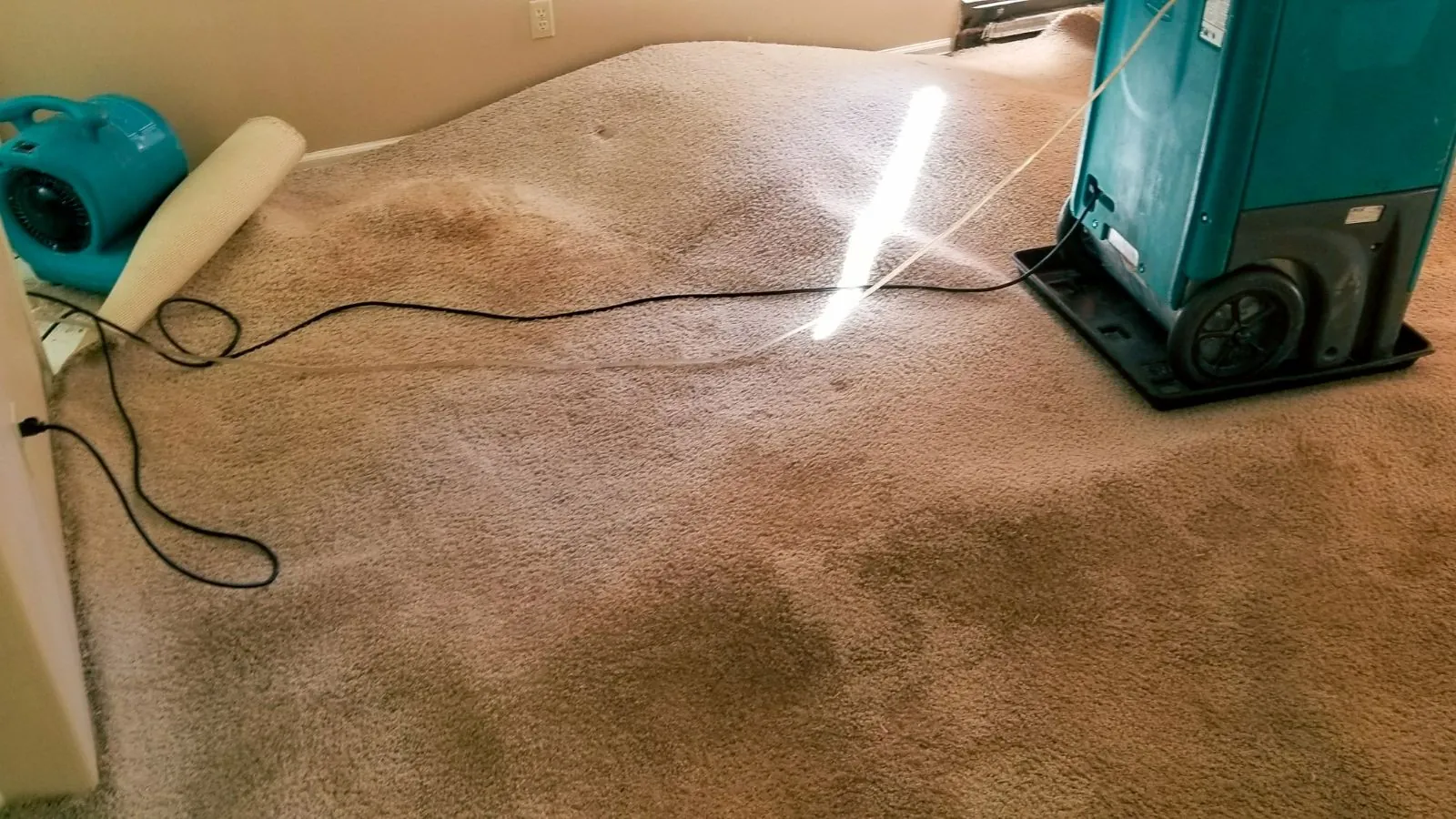
When a basement flood is an emergency
A flooded basement is an emergency from the first inch. Water soaks carpet, drywall and stored boxes, and it can reach a furnace, a water heater or an electrical panel. If this is happening in Saint Peters, call the 24/7 line at (636) 747-8964 and stay out of the water until power is off.
If the water is more than a few inches deep or touching outlets, do not enter. Call the utility or 911 for power shutoff. The dispatcher will ask about the source because it changes the plan.
- Do not enter standing water if outlets, cords or the panel could be wet.
- Find the source if you can see it: a supply line, water heater, sump or sewer drain.
- Move valuables, boxes and furniture upstairs or onto blocks.
- Photograph the water level and the damaged items before cleanup.
- Call your insurer and keep receipts for emergency steps.
Where basement water comes from
Plumbing failures
Burst lines, water heaters and appliances send clean water into the basement.
Groundwater and seepage
Heavy rain can push water through foundation cracks and floor joints.
Sump pump failure
A pump that stops during a storm lets the pit overflow.
Sewer backup
A drain backup brings contaminated water. See sewage backup cleanup.
The source decides the category of water and what is salvaged. Clean supply water is Category 1, while groundwater and sewer backup are treated as Category 3. The crew decides under S500 what can be dried and what is removed.
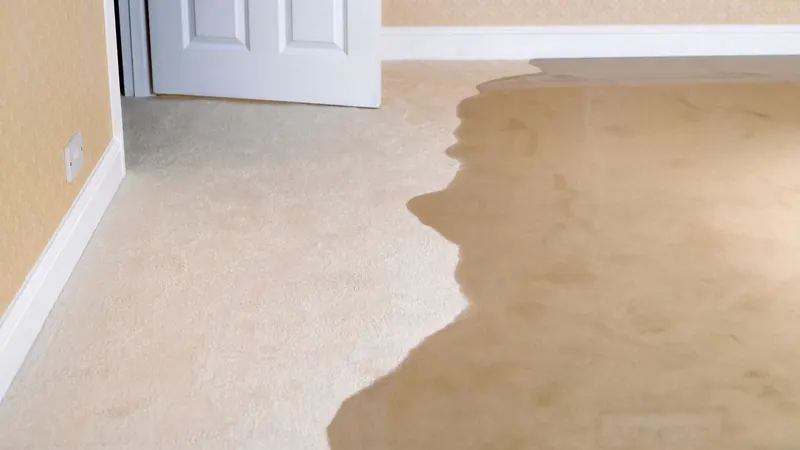
The basement pump-out and drying process
Pumps or extraction units remove the standing water, then the crew pulls wet carpet and pad where they cannot be dried and removes the lower section of wet drywall. A thermal imaging camera and moisture meters show what else is wet. Air movers and LGR dehumidifiers dry the slab, the walls and the framing, with readings logged each visit.
A basement holds humidity, so dehumidification matters more here than in an upstairs room. See structural drying and dehumidification for the equipment, and water extraction for the first step. If the water came from outside, read about flood damage.
| Question | Answer |
|---|---|
| Who removes the water and dries the basement? | Restoration crew. |
| Who stops water from coming in again? | Waterproofing or drainage contractor. |
| Who fixes a failed sump pump? | Plumber or sump specialist. |
| Who handles the insurance paperwork? | You, with documentation from the crew. |
Water in the basement?
Call the line. Scope and price are explained before work starts.
Cost factors and insurance
Cost depends on depth, finished versus unfinished space, flooring and drywall, and how many days of drying are required. A finished basement with carpet and drywall costs more to dry than a bare concrete floor. Scope and price are explained before work starts.
Local NoteBasements in Saint Peters homes
Many Saint Peters homes have full or partial basements, and finished space is common. Check the sump pump before storm season, keep downspouts discharging away from the foundation and avoid storing cardboard on the floor. Ask your insurer about water backup coverage, which is often an add-on.
The same response applies in Cottleville and in lower-level commercial spaces in Bridgeton. For smaller voids under the house, see crawl space water damage.
Common QuestionsBasement water damage questions from Saint Peters homeowners
Do you handle basement flooding at night or on weekends in Saint Peters?
Yes. The line is answered 24 hours a day and basements often flood during overnight storms. Crews are sent as soon as one is available.
Is basement restoration the same as waterproofing?
No. Restoration removes water and dries the structure after a loss. Waterproofing is a separate trade that keeps water from entering again through drains, sump systems or wall repairs. A waterproofing contractor handles the cause.
What should I do first if my basement is flooding?
Stay out of standing water if power is on or outlets are low, shut off power to the basement only if you can reach the panel from dry ground, and call. Move valuables upstairs and photograph the water.
Will my insurance cover a flooded basement?
It depends on the source. Water from a burst pipe is often covered, while groundwater seepage and flood are commonly excluded or need separate coverage. Check your policy and ask your agent.
How fast does mold grow after a basement floods?
The EPA advises drying wet materials within 24 to 48 hours to prevent mold growth. That is why pumping out and drying should start immediately.