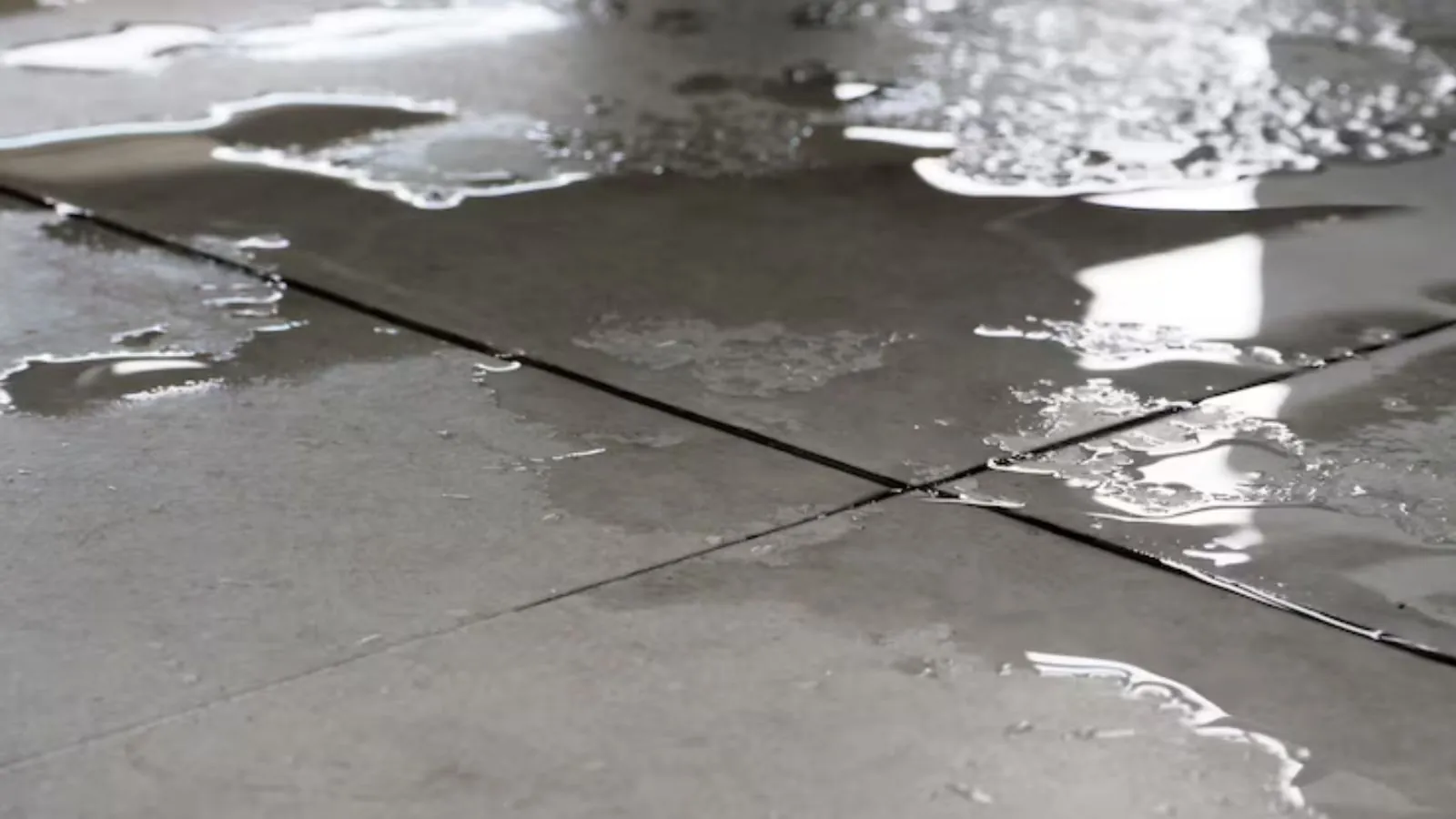
When a slab leak is an emergency
A slab leak is a supply line failing beneath the concrete floor, and it is an emergency whenever water is reaching flooring or walls. If the floor feels warm, you hear running water with every fixture off, or the meter keeps turning, shut the main water valve and call the 24/7 line at (636) 747-8964 in Saint Peters.
The line is answered around the clock, and the dispatcher can tell you what to move and what to check while a plumber and a crew are arranged. Many slab leaks are slow at first, but a hidden supply line under pressure can keep wetting the subfloor for days.
SymptomsSlab leaks you might notice before the damage starts
Most people searching for a slab leak describe symptoms rather than the name. The wording differs, but the signs repeat.
A warm or hot spot on the floor
A hot supply line under the slab warms the concrete above it.
A water bill that jumps
A sudden rise with no change in how the household uses water is a classic sign.
The sound of running water
You hear flow when taps, appliances and the ice maker are all off.
Damp flooring or a wet slab edge
Carpet that feels damp, grout that darkens or water at the base of a wall can mean moisture is coming up from below.
To check, turn everything off and look at the water meter. If the dial or low-flow indicator moves, water is escaping somewhere. A plumber then narrows it down, because the meter cannot tell you whether the leak is under the slab, in a wall or in a yard line.
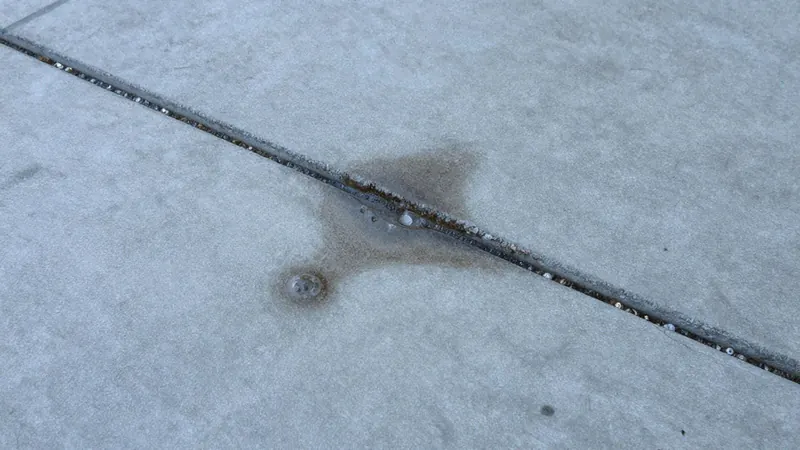
What a slab leak does to the structure
Water from beneath the slab rises through cracks and joints, wets the subfloor and soaks flooring from below. The first sign can be a baseboard that stains or a floor that begins to lift. Because moisture comes up through the material, the damage can be extensive before there is any visible water.
The crew uses moisture meters and a thermal imaging camera to map how far the moisture has spread, then extracts any standing water and dries the affected rooms. Wet flooring is lifted if it cannot be dried, and air movers and LGR dehumidifiers run until readings meet the dry standard. The structural drying page explains the equipment. For floor types, see hardwood floor water damage and carpet water damage.
Warm spots or a running meter?
Call the 24/7 line. We explain scope and price before work starts.
Slab leak repair versus water damage cleanup
A plumber finds and repairs the leak. A restoration crew removes the water and dries the structure. Both are needed, and neither replaces the other. Common plumbing fixes include rerouting the line through the attic or walls, spot-repairing the line under the slab or replacing it, and the right choice depends on the pipe, the layout and the cost.
| Task | Who handles it |
|---|---|
| Locate and repair the leak | Plumber. |
| Extract water and dry flooring and walls | Restoration crew. |
| Open the slab or reroute lines | Plumber, sometimes with a concrete contractor. |
| Document moisture readings for the claim | Restoration crew. |
Cost factors and insurance
Cleanup cost depends on how long the leak ran, which flooring was wet and how many rooms the moisture reached. Scope and price are explained before work starts. Insurance can differ on slab leaks, so ask your insurer what is covered for the repair, the access and the water damage.
Local NoteSlab-on-grade homes in Saint Peters
Many Saint Peters houses sit over basements or crawl spaces, so slab leaks are less common here than in slab-on-grade markets. When they do occur, they tend to affect slab additions, garages, finished rooms built on a slab and some newer homes. Without a census figure, we will not claim how common they are, but if your home has a slab floor, ask a plumber about the age and material of your supply lines.
If the water has already reached the lower walls, see wall and drywall repair. Homes in Cottleville and nearby neighborhoods are handled the same way by the 24/7 line.
SafetyWhat to do before help arrives
- Shut off the main water valve if you hear running water you cannot trace.
- Check floors for warm spots and wet baseboards.
- Do not drill or cut the slab yourself.
- Move belongings off wet flooring.
- Note the water meter reading before and after shutting off the supply.
Slab leak questions from Saint Peters homeowners
How do I know if I have a slab leak and not a pipe leak somewhere else?
Common signs are a warm spot on the floor, the sound of running water with all fixtures off, a water meter that moves when everything is closed, damp flooring or a wet slab edge. A plumber confirms the leak with line locating equipment before any floor is opened.
Do you handle slab leak emergencies at night or on weekends in Saint Peters?
Yes. The line is answered 24 hours a day. Crews are sent as soon as one is available, and the dispatcher explains how to shut the main valve and what to protect while the plumber is arranged.
Is a slab leak covered by homeowners insurance?
Coverage varies. Some policies cover the resulting water damage and the access cost to reach the pipe, and others exclude leaks that were not sudden. Ask your insurer before work starts and keep photos and plumber reports.
Can water from a slab leak cause damage if I do not see any?
Yes. Water moves under flooring and through the subfloor, and hardwood, laminate and carpet can wick moisture from below. Moisture mapping finds what is wet before mold has a chance to grow.