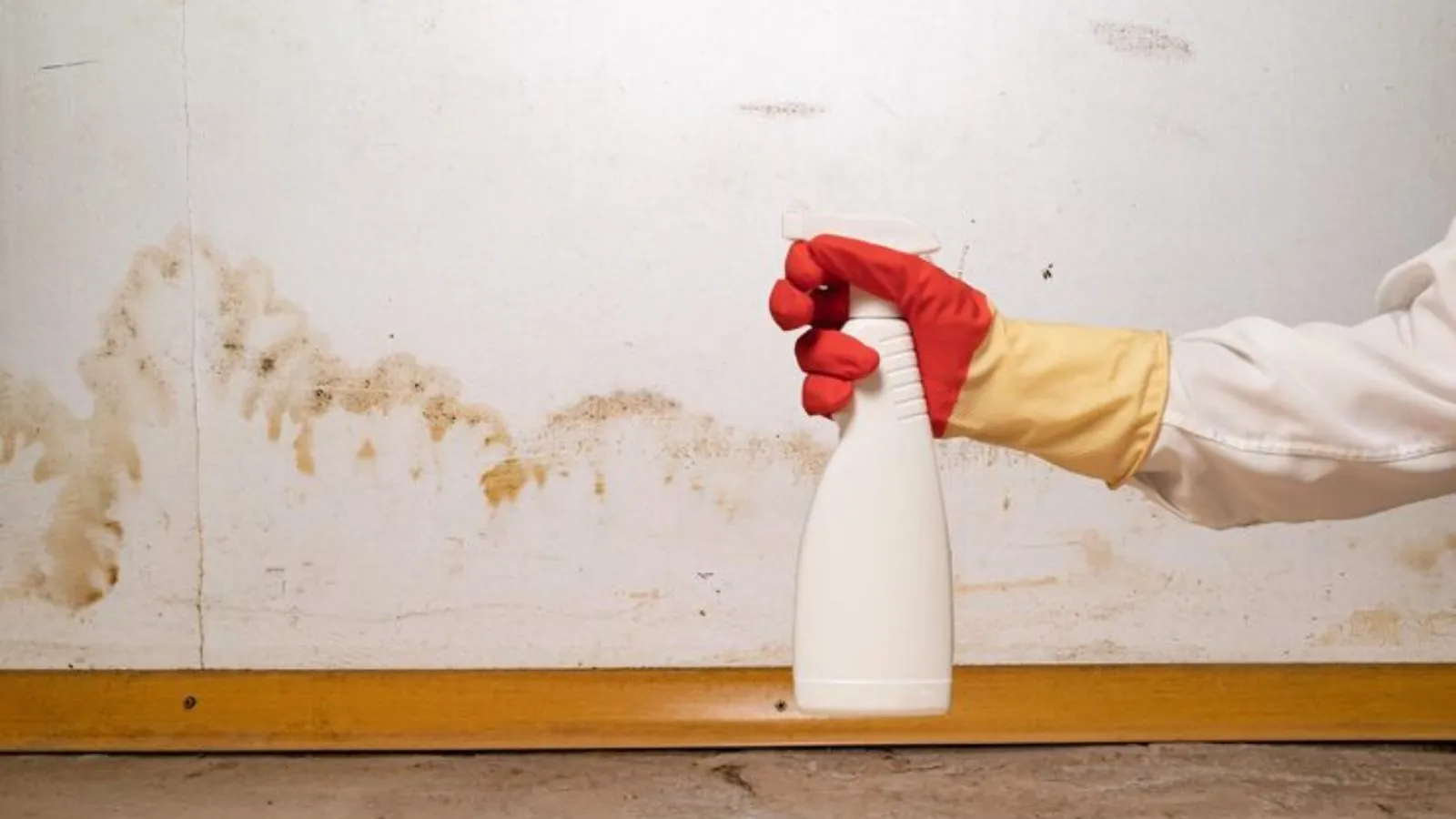
Mold starts with moisture
Mold needs moisture, organic material and time. Drywall paper, wood, carpet and insulation provide the material, and a leak, flood or humid room provides the moisture. In Saint Peters, the callers who ask about mold usually found it after a leak, in a bathroom, around an AC drain, in a basement corner or behind a wall.
The EPA advises drying wet materials within 24 to 48 hours to prevent growth. Once mold is established, the plan has to deal with both the growth and the moisture that fed it, or it will return.
After a leak
Wet drywall, carpet or wood that stayed damp for days is a common starting point.
Basements and crawl spaces
Humidity and seepage keep materials damp. See basement water damage.
Bathrooms and kitchens
Poor ventilation and slow leaks keep surfaces wet.
Around AC units
Condensate leaks wet ceilings and closets. See AC leak water damage.
Mold inspection and testing
The process begins with a visual inspection and moisture readings to find where moisture is and how far it reaches. A thermal imaging camera helps trace it behind surfaces. Depending on the situation, testing may include surface or air samples sent to a lab, which can identify what is present and compare indoor to outdoor air.
Testing is not always necessary. If growth is visible and the plan is clear, the scope can be written without it. Testing is more useful when mold is suspected but not seen, when documentation is needed for a lender, buyer or insurer, or when you want a baseline before and after the work.
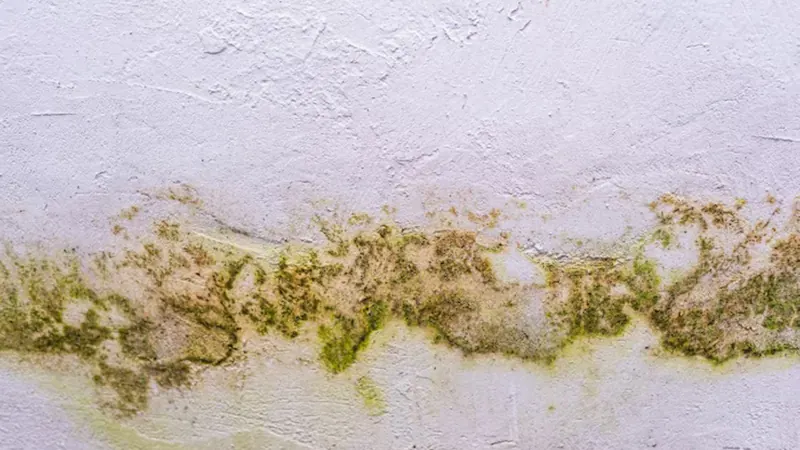
How remediation works
Remediation follows ANSI/IICRC S520 practice. The area is contained with plastic sheeting and negative air so spores do not spread through the house. Affected porous material such as drywall, insulation and carpet is removed and bagged. Hard and semi-porous surfaces are cleaned with HEPA vacuuming and damp wiping, and the area is dried so the moisture does not return.
Drying is part of the job, because remediation without drying fails. See structural drying and dehumidification for the equipment. Repair follows: new drywall, insulation and paint. For wall specifics, see wall and drywall repair.
| Step | Purpose |
|---|---|
| Inspection and moisture mapping | Find the extent and source of moisture. |
| Fix the moisture source | Plumber or roofer stops the water. |
| Containment and negative air | Keep spores in the work area. |
| Removal and cleaning | Take out affected material and clean surfaces. |
| Drying | Reach the dry standard. |
| Clearance testing | Confirm the work area meets the target. |
| Repair | Rebuild and repaint. |
Mold after a leak?
Call the line. Scope and price are explained before work starts.
Clearance testing and documentation
Clearance testing is done after the work to verify the area. A visual check confirms no visible growth or moisture, and sampling may compare the work area to outdoor air. A passed clearance is useful when you sell, refinance or file with an insurer. Keep the report with your house records.
We do not make health claims about mold, and we do not diagnose symptoms. If someone in the home has health concerns, talk to a doctor.
CostCost factors and insurance
Cost depends on the area affected, the materials involved, whether testing is needed, the containment required and the repair that follows. Scope and price are explained before work starts. Insurers often cover mold that follows a covered water loss and not mold from long-term neglect, so ask your carrier.
Local NoteMold in Saint Peters homes
Humid summers in the St. Louis region help mold grow wherever moisture lingers. Run a dehumidifier in basements, keep bathroom fans working and fix leaks the week you find them. Check closets on exterior walls and the area around the water heater and air handler.
Neighbors in Cottleville use the same line. Commercial properties should read the commercial water damage page. If you are unsure about local requirements, ask the City of St. Peters building department.
SafetyWhat to do before help arrives
- Stop any active moisture source first.
- Do not disturb visible growth by scrubbing or sanding it.
- Do not run fans across the affected area.
- Keep the area closed off from the rest of the home.
- Photograph the area and note when you first saw it.
Mold questions from Saint Peters homeowners
How do I know if I have mold or just a stain?
Mold often looks fuzzy, spotty or discolored and is accompanied by a musty smell. A stain from old water may have no growth. Inspection and, where appropriate, testing show which one you have.
Do I need mold testing, and what does clearance testing mean?
Testing can confirm what is present and where. Clearance testing is done after remediation to check that the work area meets the target. Whether you need either depends on the situation, and the scope is explained before work starts.
Will a mold test be needed for a home sale or lender?
Buyers, lenders or insurers sometimes ask for documentation of remediation and clearance. Ask your agent or lender what they require, and keep inspection and clearance records.
Did my leak cause the mold?
Mold needs moisture, so a leak that wet drywall, carpet or wood for more than a day or two is a common cause. The EPA advises drying wet materials within 24 to 48 hours. Fixing the moisture source is part of any plan.
Can I clean mold with bleach?
Cleaning a small area on a hard surface is a household task, but bleach does not fix porous materials and does not address moisture. See the EPA guidance, and call if the growth is larger or in drywall or carpet.
Do you handle mold calls at night or on weekends in Saint Peters?
The line is answered around the clock. Mold is rarely an emergency by itself, but active leaks feeding it are, and the dispatcher helps you decide.