Wet carpet: save it or replace it
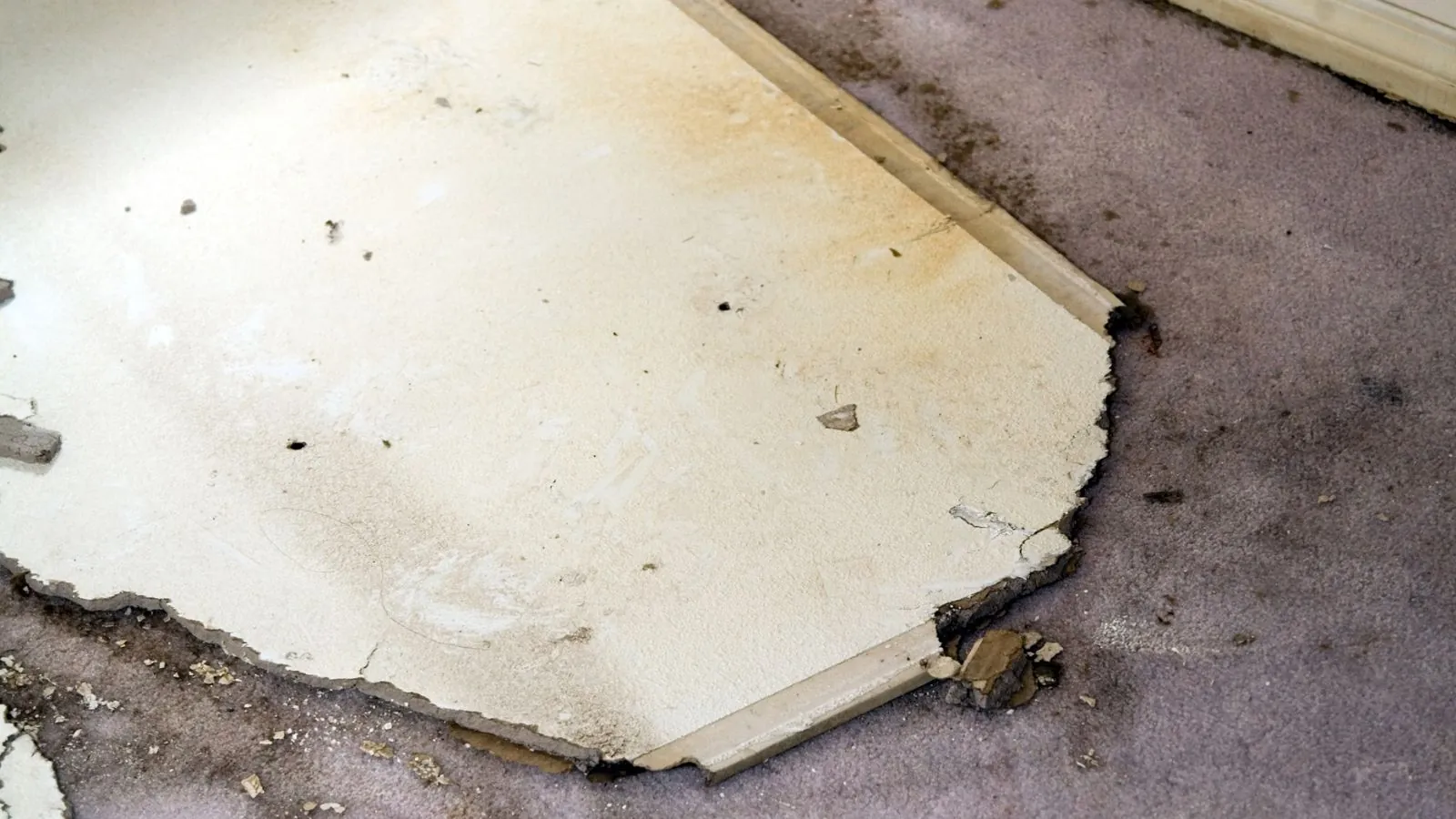
Carpet is a layered material, with a fiber face, a backing, a pad and a subfloor, and water gets into all four. The face can look dry within hours while the pad and subfloor stay wet. That is why a quick extraction is so useful, and why the decision between saving and replacing comes from moisture readings rather than appearance.
Typical callers describe a carpet that squishes underfoot, a smell that appears a day later, or a stain that spreads. Each points to water below the surface.
| Situation | Typical outcome |
|---|---|
| Clean water, extracted within a day | Carpet often dried in place, pad may be replaced. |
| Clean water, wet for several days | Carpet and pad often replaced, subfloor dried. |
| Contaminated water, flood or sewage | Carpet and pad removed, see flood damage. |
| Glued-down carpet on slab | Lifted if moisture is trapped beneath. |
| Basement carpet | See basement water damage. |
How carpet is dried
The crew extracts water with weighted tools and a truck-mount unit, then checks the pad, the tack strip and the subfloor with moisture meters. If the carpet can be saved, it is lifted at the edge, the pad is removed and air is directed under the carpet while dehumidifiers run. The carpet is then cleaned and reinstalled with a new pad.
If the carpet cannot be saved, it is removed and discarded with the pad, and the subfloor is dried. That makes room for structural drying of the wet framing and slab. See water extraction for the first step.
Carpet face
Dries quickly if extracted, but the surface does not show what is below.
Pad
Holds water, and is the most common item replaced.
Tack strip and baseboard
Wicks water at the wall edge and can stain or swell.
Subfloor
Plywood or concrete that must be dry before new carpet goes in.
Where wet carpet comes from
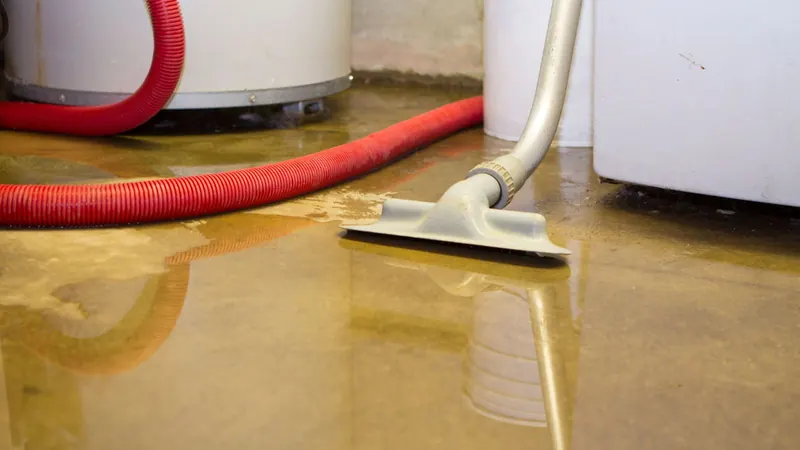
Common causes include a leaking water heater, a washing machine hose, a ceiling leak from above and a failed sump or basement seepage. The page on water heater leaks and the page on appliance leaks cover the two most frequent.
Wet carpet right now?
Call the line. Scope and price are explained before work starts.
Cost factors and insurance
Cost depends on the square footage, the thickness of the carpet and pad, the water category and the drying time. Scope and price are explained before work starts. Insurers often separate mitigation from replacement, and they may ask for documentation of readings.
AvoidMistakes that cost homeowners their carpet
- Waiting a day to see whether the carpet dries on its own.
- Walking on wet carpet, which pushes water and dirt deeper into the pad.
- Running only a household fan and leaving the pad wet underneath.
- Steam cleaning before the pad and subfloor are dry.
- Replacing carpet without drying the subfloor first.
Each of these either spreads moisture or hides it. A short call to the line and a moisture reading beat a week of guessing.
Local NoteCarpet in Saint Peters homes
Carpet is common in bedrooms and finished basements around Saint Peters. A basement carpet on a slab can hold moisture for a long time, so check for a musty smell after any water event. The crew can test the slab and tack strip as well.
Households in Cottleville and the Mid Rivers area are served from the same line. For wall damage beside wet carpet, see wall and drywall repair.
SafetyWhat to do before help arrives
- Stop the source of water first.
- Do not walk on soaked carpet more than needed.
- Do not use a household vacuum on wet carpet.
- Lift furniture legs onto foil or blocks.
- Open windows only if outdoor air is drier than indoor air.
ANSI/IICRC S500 is the published standard for professional water damage restoration, and S520 covers mold remediation. This page names them as references only, so you can compare any plan you receive against the same yardstick.
Common QuestionsCarpet water damage questions from Saint Peters homeowners
Can wet carpet be saved?
If the water was clean and extraction and drying start quickly, often yes. Carpet that stayed wet for days, or was soaked by contaminated water, is more likely to be replaced.
Why is the pad usually removed?
Pad is a sponge. It holds water long after the carpet surface feels dry, and it can keep the subfloor wet. In many cases the pad is replaced while the carpet is dried and reinstalled.
How long does wet carpet take to dry?
With extraction, air movers and dehumidifiers, carpet often dries in a few days. Thick carpet, pad and humid weather add time. Readings decide when it is dry.
Does insurance cover wet carpet?
Sudden leaks that wet the carpet are often covered, while long-term seepage often is not. Photograph the damage and ask your insurer.
Will wet carpet grow mold?
Mold needs moisture, and the EPA advises drying wet materials within 24 to 48 hours. Prompt extraction and drying reduce the chance.