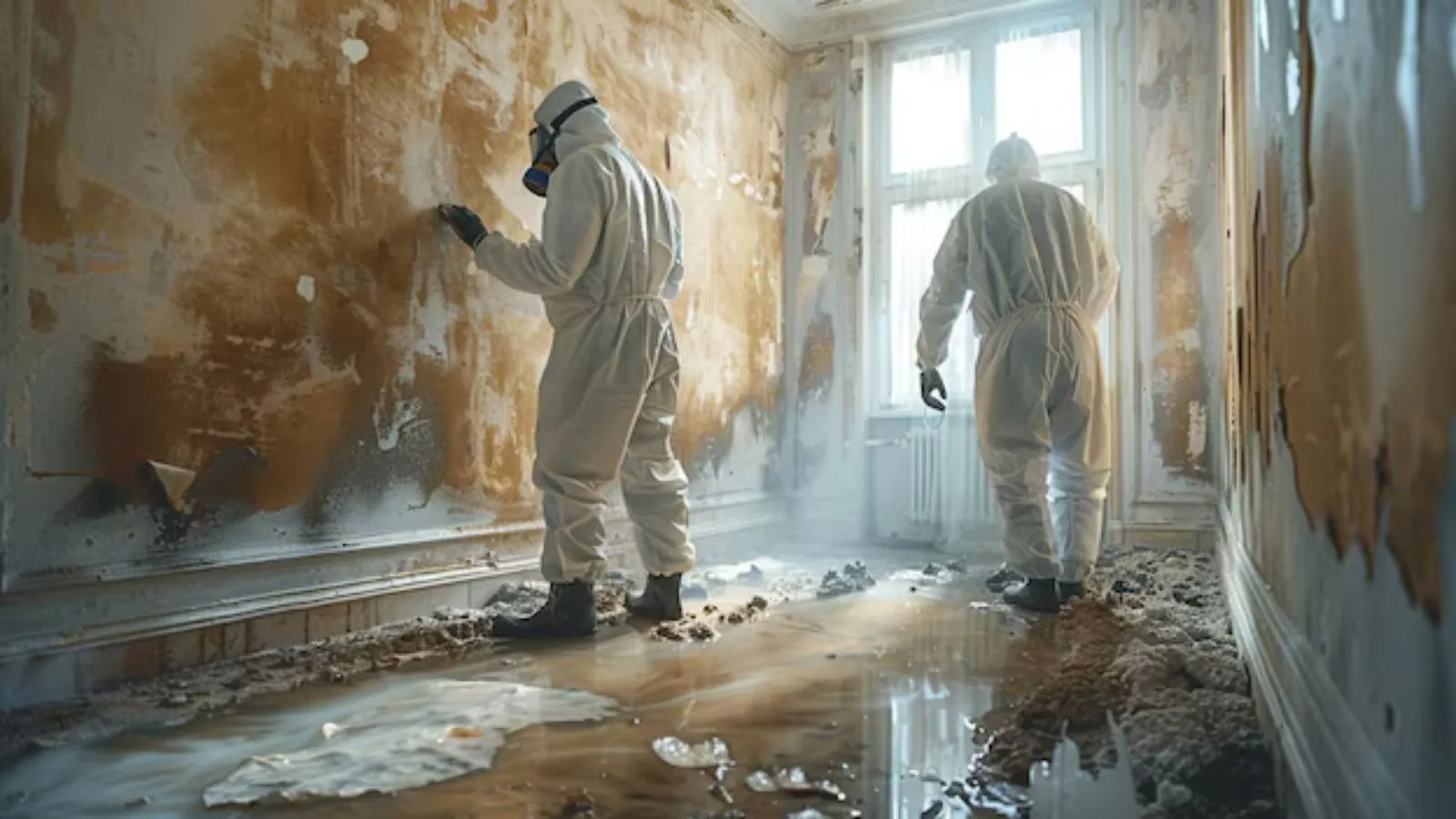
The 24 to 48 hour guideline
The EPA advises drying wet materials within 24 to 48 hours to prevent mold growth. That is a guideline, not a stopwatch. Growth depends on the material, the amount of moisture, the temperature and whether spores are present, and spores are almost always present. After the first two days, the odds shift toward growth.
We do not make health claims. This guide covers timing and prevention for building materials.
A rough timeline
| Time since the water | What is happening |
|---|---|
| Hour 0 to 24 | Water spreads and soaks materials. Fast extraction and drying prevent most problems. |
| Day 1 to 2 | The window where drying is most effective. Mold can start on damp organic surfaces. |
| Day 3 to 7 | Growth can become visible on drywall paper, wood and carpet backing, and odors may appear. |
| Week 2 and later | Established growth can spread inside walls and ceilings, and materials may need removal. |
The rows are a guide, not a promise. Materials vary. Drywall paper and carpet pad are friendly to growth, while concrete and metal are not.
Factors that speed or slow growth
Moisture level
Soaked materials stay wet longer and support growth.
Material
Paper, wood and fabric offer food. Concrete and metal offer little.
Temperature
Moderate indoor temperatures suit most mold.
Airflow
Still, humid air in a closed room slows drying.
Water on the floor right now?
Call the 24/7 line while you read the next steps.
What to do in the first 48 hours
- Stop the source.
- Extract standing water. See water extraction.
- Remove materials that cannot dry, such as soaked pad and insulation.
- Run air movers and dehumidifiers. Household fans help only a little.
- Check moisture readings in walls and floors, not just the surface.
- Keep the area closed so dehumidifiers work.
If water has been there for more than two days, ask for an inspection. The mold remediation page explains inspection and testing. To start drying, call (636) 747-8964.
Signs mold may have started
- A musty smell that grows stronger.
- Dark spots on drywall, ceilings or the back of baseboards.
- Paint that bubbles or peels in the same area.
- Stains that return after cleaning.
If you see these signs, do not just clean the surface. Find the moisture source and dry the area first. Then decide whether cleaning or remediation is needed.
Why some leaks never turn into mold
Mold needs prolonged dampness. A spill on a tile floor that is mopped and dried the same day rarely causes it. A wall that stays at high moisture content for a week is a different story. Fast action cuts the time that materials spend in the risk window.
The reverse also holds. A small slow leak that keeps drywall damp for weeks can grow mold without any dramatic event. The timeline is about time spent wet, not about the size of the leak.
Using readings instead of guesses
Moisture meters let you compare a suspect wall with a normal one. If the reading is close to normal, the wall is likely dry. If it stays elevated, treat it as at risk until it dries. Repeat readings over a few days show whether the trend is falling or stuck.
If you see growth or a persistent musty smell, do not wait for it to spread. Stop the moisture, dry the area and have it inspected. The sooner you act, the smaller the job.
Which materials are most at risk
| Material | Risk when wet |
|---|---|
| Drywall paper and ceiling tile | High. |
| Carpet backing and pad | High. |
| Wood framing and trim | Moderate to high. |
| Insulation with paper facing | Moderate to high. |
| Concrete and masonry | Low, though dust on the surface can support growth. |
| Metal and glass | Low. |
This is a general guide. Dust and organic film on any surface can support some growth when conditions are damp. The materials in the first rows are the ones to prioritize when you are deciding what to dry first.
Mold timing in a humid region
Humid St. Louis summers keep indoor air heavy, so damp materials dry more slowly unless dehumidifiers run. A leak in July needs faster action than the same leak in January. In the July 2022 storm that dropped more than 11 inches of rain near Saint Peters, the practical lesson was to get dehumidifiers running in basements early.
The same timeline applies in Cottleville and Earth City.
Local questions from Saint Peters homeowners
Can mold grow in 24 hours?
It can begin in that window on damp organic materials, though visible growth usually takes longer. That is why the EPA guideline is 24 to 48 hours.
Does a dry surface mean the wall is dry?
No. The surface can feel dry while the cavity is wet. Moisture readings check inside.
Should I test for mold right after a leak?
Testing right after a leak is rarely useful. Drying comes first. Test if you suspect hidden growth or need documentation later.
If I dried everything in two days, am I safe?
You have done what the guideline recommends. Watch for odors or stains over the next few weeks, and check hidden cavities with a moisture meter if you are unsure.