Document first, then clean up
The best time to document a water loss is in the first hour, while the damage is still visible. Once furniture is moved, carpet is pulled and drywall is cut, the evidence changes. You do not need to delay emergency work, but take photos before each major step and keep what you remove long enough for the adjuster to see it if asked.
If water is still running, stop it first. Safety comes before photographs. Then spend five minutes recording what you see before you start moving things.
What to photograph and film
- Wide shots of every affected room from each corner, showing the whole space.
- Close-ups of wet walls, ceilings, floors and baseboards, with a tape measure or coin for scale.
- The source of the water, such as a failed hose, pipe fitting or roof opening.
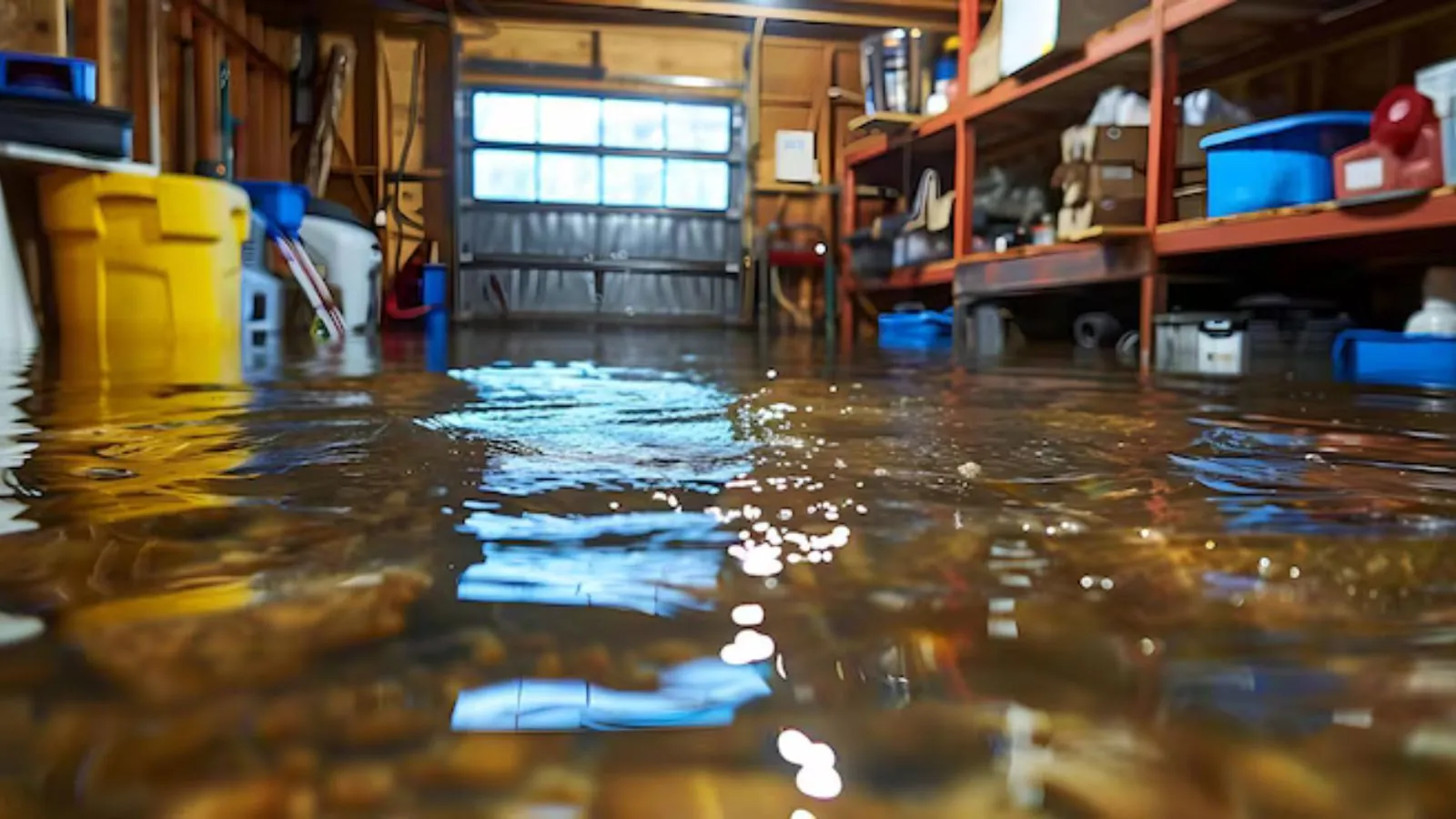
- Water lines, stains and bubbling paint, plus any standing water.
- Damaged belongings, with the make, model and serial number if visible.
- The water meter reading and the shutoff valve if a pipe was involved.
Take a slow video walk-through as well, narrating the date, time and what you see. Video catches the extent of the damage better than a single photo, and it helps you remember details later.
Build a simple timeline
Write down when you discovered the water, when you stopped it, who you called and when. Add the claim number, the adjuster name and every phone call. A short timeline answers most of the questions an insurer will ask and prevents mistakes about when the loss began.
| Item | Who provides it |
|---|---|
| Photos and video | You, before cleanup. |
| Timeline of events | You. |
| Moisture readings and drying logs | Restoration crew. |
| Plumber or roofer report | The contractor who repaired the source. |
| Receipts for emergency steps | You. |
| Inventory of damaged contents | You. |
| Written scope of work | Restoration crew. |
Water on the floor right now?
Call the 24/7 line while you read the next steps.
Moisture readings and drying logs
Photos show surfaces, but water hides inside walls and under floors. A moisture meter and a thermal imaging camera show the hidden part. A restoration crew records readings at the start and at each visit until the structure reaches the dry standard. That log shows what was wet, how far it spread and when it was dry.
Ask for a copy of the log and the photos. The structural drying page explains how the readings work. The water extraction page covers the first step.
Contents inventory
For damaged belongings, make a list with a description, an approximate age, where you bought it and a replacement cost. Photograph each item before disposal. For large items such as a mattress or sofa, keep a sample or a clear photo of the label if the insurer asks to inspect them. Do not throw away anything until you have documented it.
Mistakes that weaken a claim
- Throwing away damaged materials before photographing them.
- Waiting days to start drying, which lets damage spread and can raise questions.
- Painting over stains before the source is fixed and the area is dry.
- Skipping receipts for emergency steps.
- Agreeing to a scope you do not understand. Ask questions first.
If your loss is happening now, call the 24/7 line at (636) 747-8964. The crew explains scope and price before work starts and keeps photos and readings you can share with the adjuster.
Working with the adjuster
When the adjuster visits, walk the whole loss together and point out the source, the wet areas and the items you want reviewed. Hand over copies of photos, logs and receipts, and keep the originals. Ask when to expect a written decision and what else is needed. Write down the answers and the date.
If you disagree with a scope or a number, ask the insurer to explain it in writing. A calm, documented exchange resolves more disputes than a heated phone call.
Keeping everything organized
Create one folder on your phone or computer for the claim and one paper folder for receipts and letters. Name photos by room and date. Back everything up to a second location. When the adjuster asks for something, you can send it within minutes.
Documenting a loss around Saint Peters
Storm losses in Saint Peters often involve many neighbors at once, so adjusters can be slow to arrive. A clear photo set, a timeline and a drying log let you start work without waiting. NOAA recorded storm totals between about 4 and 6.7 inches around Saint Peters on November 5, 2024, the kind of event where dozens of homes need the same help in the same week.
Whether the loss is in Saint Peters, Cottleville or Earth City, the same record-keeping works. Businesses should also read the commercial water damage page.
Local questions from Saint Peters homeowners
How long should I keep documentation after a claim?
Keep photos, logs, reports and receipts at least until the claim is fully settled and any repairs are finished. Many people keep them longer in case of a later dispute or a home sale.
Should I keep a sample of damaged drywall or carpet?
Ask your adjuster. Some will want to see a sample, and others rely on photos. Never keep contaminated material in your living space. Photograph it, bag it and ask first.
Can my phone photos be used for the claim?
Yes, as long as they are clear, dated and cover the whole loss. Turn on the date and time stamp if your phone allows it, and back the photos up somewhere else.