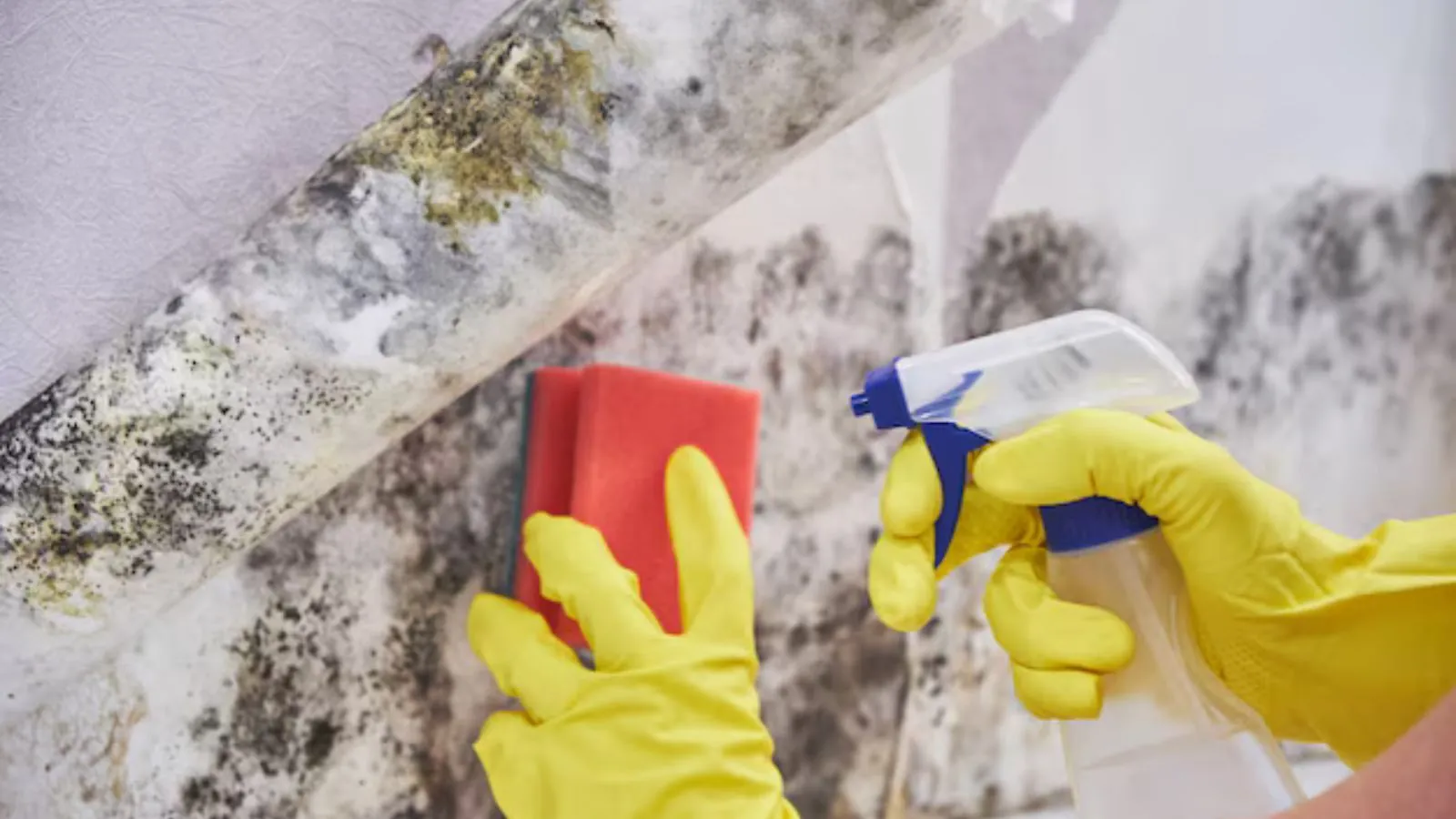
Start with the moisture
Cleaning mold without fixing the moisture is a temporary result. Mold needs moisture to grow, and if a leak, humidity or condensation feeds it, it will return. Before you clean, find where the moisture comes from and stop it. Otherwise you are cleaning the same wall again in a month.
The EPA publishes guidance on mold in homes. It says moisture control is the key and that small areas can often be handled by the household, while large or hidden growth calls for professional help. We follow that distinction.
When you can clean it yourself
- The affected area is small, roughly the size of a few square feet.
- The surface is hard, such as tile, glass, sealed wood or metal.
- The cause is known and has been fixed.
- You can wear protective gear and ventilate the room.
When to call a professional
- The area is large, or you do not know how far it goes.
- The mold is on drywall, carpet, insulation or ceiling tiles.
- It returns after cleaning.
- The cause is hidden or unknown.
- Sewage or flood water was involved.
- You need documentation for a sale, lender or insurer.
Water on the floor right now?
Call the 24/7 line while you read the next steps.
Cleaning a small hard-surface area
- Wear an N95 respirator, gloves and eye protection. Open a window and keep the area ventilated.
- Keep other rooms closed and avoid blowing a fan across the mold.
- Wipe the surface with detergent and water, using a damp cloth instead of dry brushing.
- Scrub gently and rinse the cloth often. Bag used cloths and wipes.
- Dry the surface completely with a clean towel and a fan pointed away from the area.
- Check back in a few days. If growth returns, the moisture is still there.
You do not need to mix chemicals. Never combine bleach with ammonia or other cleaners, since the mix is dangerous. Bleach also does not solve porous materials, because it does not reach the roots in drywall or wood.
| Material | Typical approach |
|---|---|
| Tile, glass, metal | Detergent and water, dry fully. |
| Sealed wood | Detergent and water, dry fully. |
| Painted drywall, small patch | Cleaning may work, but watch for return. |
| Unfinished wood, framing | Professional cleaning and drying. |
| Carpet, pad, insulation, ceiling tile | Usually removed, not cleaned. |
After the cleaning
Dry the area, then lower the moisture that fed it. Use a dehumidifier in damp spaces, run bathroom and kitchen fans, fix leaks the week you find them and keep gutters clear. If the growth was on drywall, keep an eye on it. A musty smell that returns means it is still there.
If you decide the job is bigger than a household task, read the mold remediation page to see how inspection, containment and clearance work. For questions, call (636) 747-8964. We do not make health claims about mold. If you have health concerns, talk to a doctor.
Protecting yourself and the rest of the house
Cleaning stirs up spores, so contain the area. Close doors, cover vents in the room and avoid dry brushing or sweeping. Use damp cloths, bag them before you carry them out and wash your hands and clothes afterward. Keep children and pets out until the area is clean and dry.
We do not make health claims, so if you have concerns about breathing or allergies, ask a doctor before you do any cleanup yourself.
Common mistakes with household mold cleanup
- Spraying a cleaner and walking away without drying the surface.
- Scrubbing dry mold, which sends spores into the air.
- Mixing bleach with ammonia or other cleaners.
- Cleaning only the visible patch and ignoring the damp wall behind it.
- Painting over mold with no cleaning or drying.
Each of these either spreads the problem or hides it for a while. A careful small cleanup of a hard surface with the moisture fixed is a reasonable household task. Anything else deserves a closer look.
ANSI/IICRC S500 is the published standard for professional water damage restoration, and S520 covers mold remediation. This page names them as references only, so you can compare any plan you receive against the same yardstick.
Cleaning mold in St. Louis-area homes
Basements, bathrooms and closets on exterior walls are where homeowners in the Saint Peters area most often find mold, and humid summers make it worse. Run a dehumidifier in the basement, keep closets ventilated and wipe condensation from windows.
If the mold followed a flood or leak, use the basement page or wall page to understand the water side. Neighbors in Bridgeton and Cottleville can use the same line.
Local questions from Saint Peters homeowners
Does bleach kill mold?
Bleach can lighten stains on hard surfaces, but it is not an effective fix for porous materials and does not address moisture. Detergent and water, plus drying, is the usual household approach. Never mix bleach with ammonia.
Can I paint over mold?
No. Painting over growth hides it and traps moisture. Clean and dry first, fix the source and then prime and paint.
Is vinegar a good mold cleaner?
Vinegar is sometimes used on hard surfaces, but detergent and water work well, and the key is drying the area completely and fixing the source.
How do I know the cleanup worked?
The surface looks clean, the smell is gone and nothing returns over the next few weeks. If it comes back, there is still moisture or hidden growth.