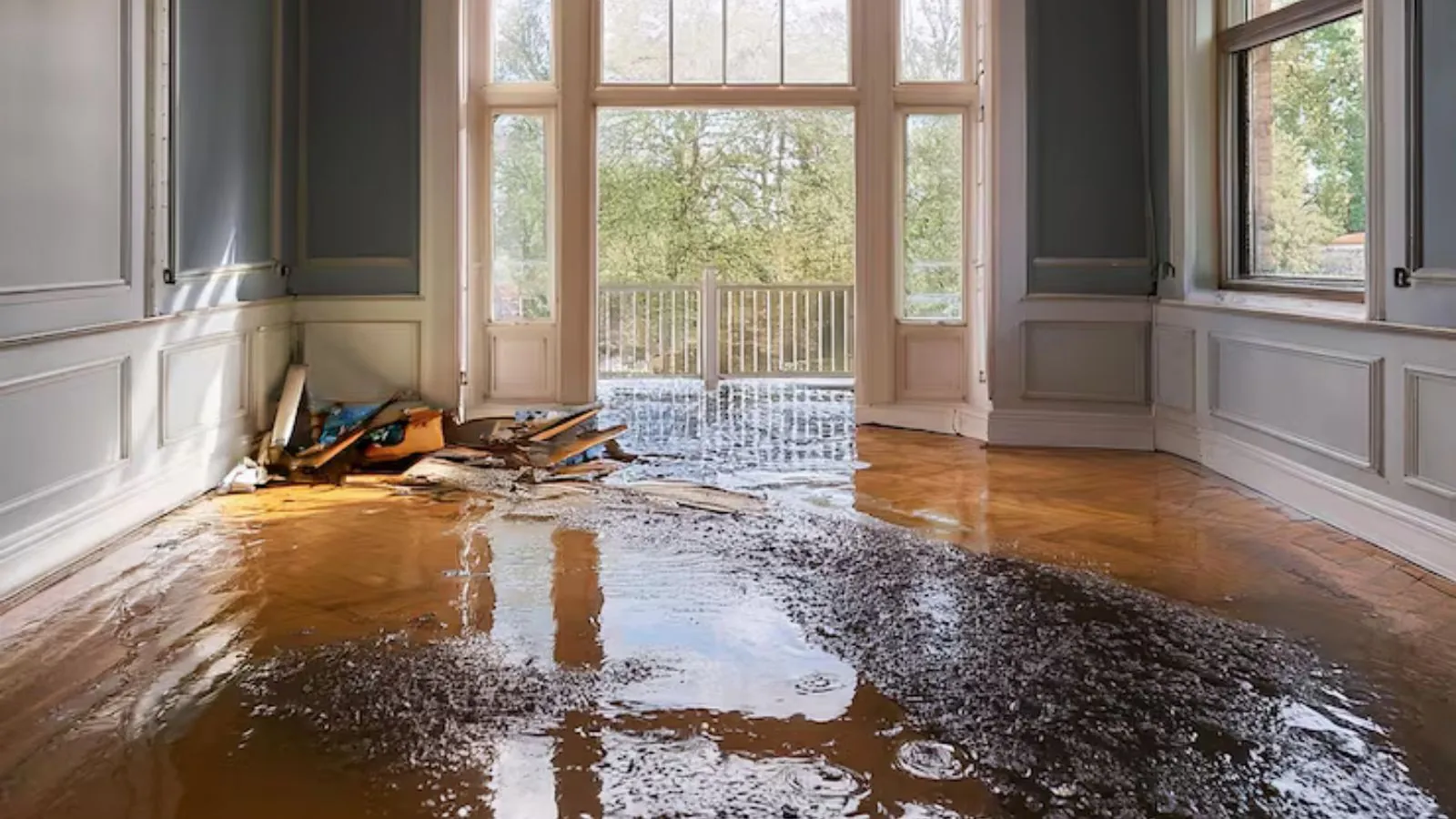
What bubbled paint is telling you
Paint bubbles when something pushes it off the surface. In most homes that something is water, either liquid from a leak or vapor moving through the wall. Heat and poor surface prep can also cause bubbles, but when the wall feels damp or the bubbles are soft, moisture is the first suspect.
Scraping and repainting without finding the cause usually gives you the same bubbles in a few weeks. The better approach is to diagnose first.
Common moisture causes
Plumbing leaks
A supply or drain line inside the wall wets the back of the drywall.
Roof or window leaks
Water enters at the top or around openings and runs down the wall.
Bathroom humidity
A shower without a working fan sends vapor into walls and ceilings.
Basement seepage
Groundwater moves through concrete or block and pushes paint off the interior face.
Condensation
Cold exterior walls collect moisture from warm indoor air.
Poor prep or wrong paint
Paint over dust, gloss or a damp surface does not bond.
How to tell what you have
Press a bubble. If it is soft and filled with water, a leak is likely. If it is dry and papery, the cause may be humidity or poor adhesion. Check the other side of the wall, the room above and the nearest water lines. A moisture meter reads the drywall and tells you whether it is wet right now.
| What you see | Likely cause |
|---|---|
| Soft, water-filled bubbles | Active leak behind the wall. |
| Dry bubbles in the bathroom | Humidity and weak ventilation. |
| Bubbles at the base of a basement wall | Groundwater seepage. |
| Bubbles with a brown ring | Repeated wetting from a roof or pipe leak. |
| Bubbles with white powder | Mineral salts carried by moisture through masonry. |
Water on the floor right now?
Call the 24/7 line while you read the next steps.
What to do, in order
- Find and stop the source of moisture.
- Confirm the wall is dry with a moisture meter, not by touch.
- Scrape off loose paint and check the drywall underneath.
- Cut out soft drywall and replace it if needed.
- Prime with a stain-blocking primer and repaint.
If the wall is wet inside, see wall and drywall repair and structural drying. If you see dark spots or a musty smell, read about mold remediation. For active leaks, call (636) 747-8964.
What not to do
- Do not paint over a damp wall.
- Do not caulk bubbles shut.
- Do not ignore a musty smell near the bubbled area.
- Do not assume humidity is the cause until you have ruled out a leak.
Testing the wall before you repaint
A moisture meter is the most reliable way to know whether a wall is dry. A pinless meter reads the surface and a short distance beneath it, while a pin meter reads at the pins. Check the bubbled area, a spot next to it and a spot that looks normal. If the bubbled area reads far higher, moisture is still present.
Without a meter, tape a square of plastic wrap to the wall for a day or two. Moisture that collects under the plastic is coming from the wall, while moisture on the outside is room humidity. It is a rough test, but it points you in the right direction.
Repairing the paint the right way
Once the wall is dry, scrape away loose paint back to a firm edge and sand the edges smooth. If the drywall paper is torn or soft, cut it out and patch it. Prime with a stain-blocking primer and use a paint suited to the room, such as a moisture-resistant product in a bathroom.
Skip these steps and the new paint fails for the same reason the old paint did. A short wait and a proper primer cost less than doing the wall twice.
When bubbles come back after repainting
If bubbles return within weeks, moisture is still arriving, or the surface was painted over something that never bonded. Look for the pattern. Bubbles that follow a vertical line often trace a pipe, bubbles along the top of a wall suggest a roof or window leak, and bubbles at the floor line suggest seepage or a wet slab.
Mark the edge of the affected area with a pencil and the date. A few days later, check whether it has grown. A growing area means an active source. A stable area on a dry reading means the cause was probably fixed and the paint just needs proper repair.
ANSI/IICRC S500 is the published standard for professional water damage restoration, and S520 covers mold remediation. This page names them as references only, so you can compare any plan you receive against the same yardstick.
Humid summers and older paint
The St. Louis area has humid summers and cold winters, so walls swing between condensation and dryness. Exterior walls with weak insulation and bathrooms without a working fan are common spots for bubbled paint in Saint Peters homes. Running the fan 20 minutes after a shower and keeping indoor humidity moderate helps.
If the bubbles follow a pipe route or sit below a roof edge, call. The line also serves Cottleville and Earth City.
Local questions from Saint Peters homeowners
Is bubbled paint always a sign of a leak?
No, but it often is. Humidity, poor prep and wrong paint also cause bubbles. A moisture meter helps tell the difference.
How long should I wait before repainting?
Wait until the source is fixed and the wall reads dry. Drying can take days, depending on the cause and the conditions.
Does bubbled paint in a bathroom mean I need a new fan?
Often a stronger or properly vented fan helps. Check that the fan vents outdoors and runs during and after showers.
Can high humidity alone make paint bubble?
Yes, particularly in bathrooms and kitchens without good ventilation. A working fan vented outdoors and a dehumidifier in damp rooms reduce the risk.